
1. A New Way to Look at Substance Use
For as long as human history has been recorded, we have used and sometimes misused mood-altering substances. When someone continues to use these substances despite severe negative consequences—or the threat of them—we use the term Substance Use Disorder (SUD). We want you to understand from the beginning that SUD is not a moral failing or a character flaw; rather, it is a “dysfunctional and maladaptive” behavior. In many cases, the substance that causes the problem actually began as a “solution” to a different type of pain.
The most encouraging truth we have learned over thirty years of practice is that most people get better. However, they just do not get better in the way we think they should. Recovery is rarely a simple, straight-line process. It is a non-linear journey of moving forward, improving at your own pace, and sometimes facing setbacks. Movement toward improvement is our goal, and we have been honored to watch thousands of people find their way.
Key Insight: There is no single path into a substance use disorder, and because of that, there is no single path to a solution. We believe there is more than one way to look at recovery and more than one way to conceptualize the problem.
To move from these general concepts to true transformation, we must first look at the internal requirements we need to begin the work of change.
——————————————————————————–
2. The Foundation for Change: Ready, Able and Willing
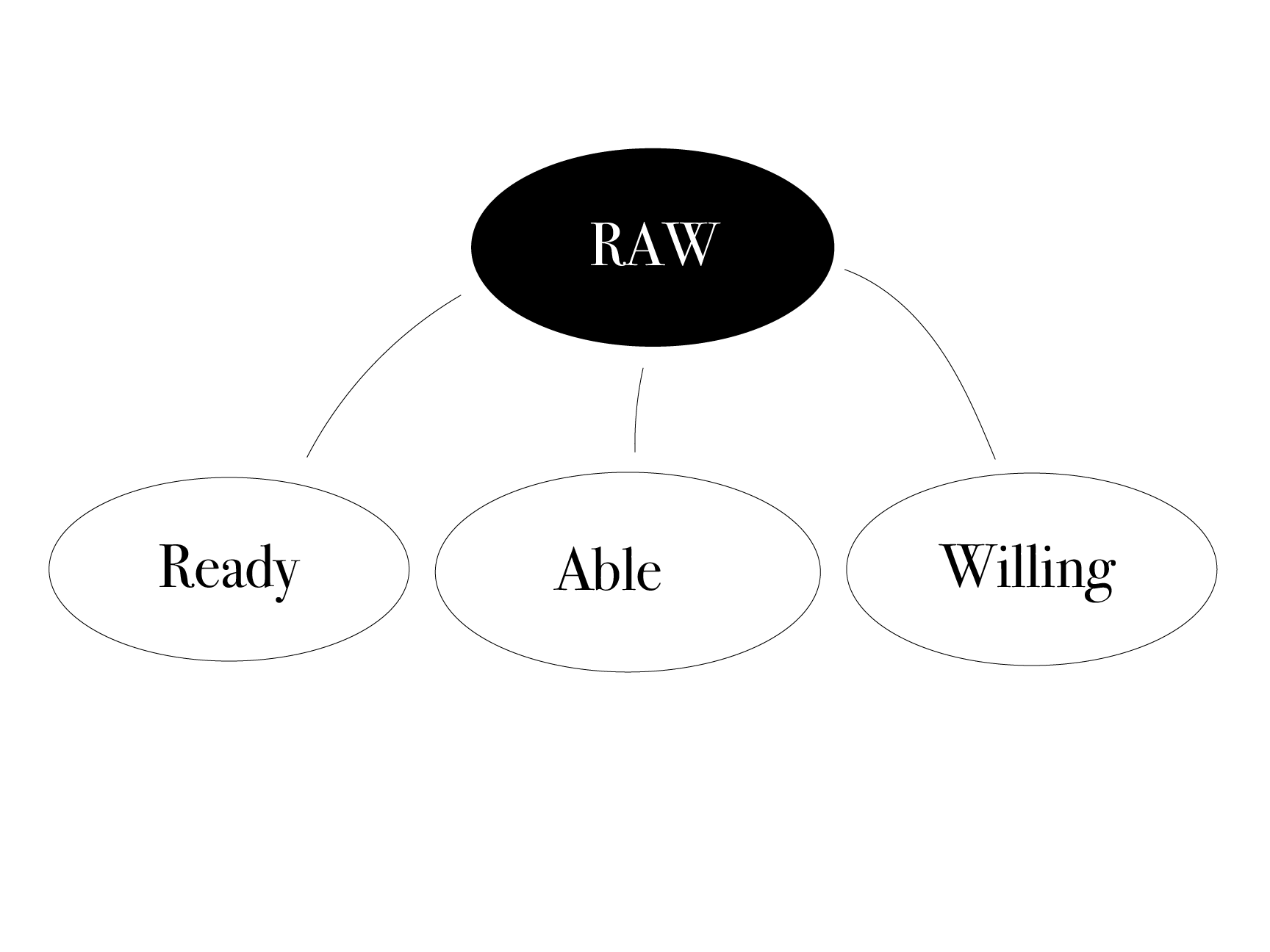
Transformation requires more than just a passing wish to stop. In our work, we identify three essential requirements that determine if you are in the best position to use treatment effectively.
Requirement What it Means Why it Matters
Ready
Recognizing the problem even when the substance still feels like a “solution” to your pain. Without readiness, we may resist help or feel forced into a “bottom” that isn’t necessary.
Able
Finding the “inspiration of desperation”—the internal drive to do the difficult work. Recovery is hard work; willingness transforms a vague intention into a specific action plan.
Willing
Acknowledging your physical capacity and life resources (finances, health, or stability). Physical damage (like brain atrophy) or a lack of basic resources can impact your current capacity to engage.
Understanding where we stand in terms of being ready, able and willing is the first step toward using a visual tool to understand the “why” behind our unique experiences.
——————————————————————————–
3. Your STAR Matrix: Looking at the Five Arms of Influence
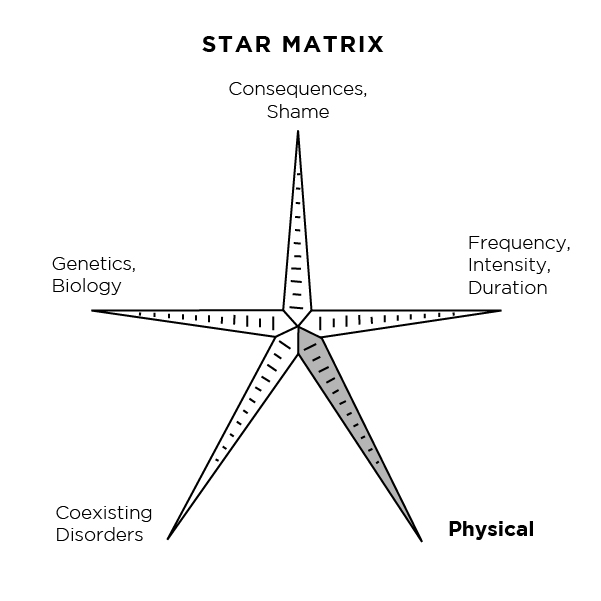
We use the STAR Matrix as an assessment system to answer the most important question in your journey: “Why would a person continue to use despite severe negative consequences?”
Rather than a “cookie-cutter” approach, the STAR Matrix identifies five major domains (arms) that influence your relationship with substances. By visualizing the intensity of each arm, we can see a clear picture of what needs to be addressed to optimize your success.
The Five Arms of the STAR Matrix:
• Genetics / Biology
• Frequency, Intensity, Duration
• Coexisting Disorders (Mental Health)
• Physical Issues
• Consequences / Shame
Looking at these factors allows us to move past the debate of nature versus nurture and see how they interact specifically for you.
——————————————————————————–
Nature vs. Nurture: Your Genetic and Behavioral Arms
The first two arms of your matrix sit opposite each other, representing the balance between what we are born with and what we learn over time.
• Genetics / Biology: Our research shows a powerful biological link; 93% of individuals in our studies report a known family history of substance use.
• Frequency, Intensity, Duration: This is the “learned” side of the matrix. It tracks how long and how heavily you have used, which shapes your behavior and brain chemistry.
Crucial Insight: These arms work together. A person with a high genetic predisposition might develop a disorder very quickly. Conversely, someone with a low genetic risk might need to use with high frequency and intensity over many years before a disorder manifests.
Response Type Characteristics
True Responders Feel intense euphoria or “perfect” pleasantness from the first use; recall the first time with absolute clarity; feel that life without the substance is unusual or painful.
Pain Avoidant Users Use substances primarily to find relief from existing physical or emotional discomfort; value the substance for “numbing” or relief rather than a euphoric high.
——————————————————————————–
The Role of Health: Your Mental and Physical Arms
We often find that substance use is a “solution” to underlying physical or mental pain.
• The Physical Arm: Our data shows 67.2% of individuals have a history of physical illness or injury, and 68.3% used substances to manage physical pain. We must also consider the impact of Post Acute Withdrawal (PAWS)—the lingering physical and neurological adjustments that occur after the initial detox. Chronic pain and PAWS make abstinence significantly more difficult.
• The Mental Health Arm (Coexisting Disorders): Approximately 79.8% of those we serve have a history of mental health issues, such as depression, anxiety, or PTSD. Substances are frequently used to mask or “treat” these underlying emotional pains.
“To be effective, we must address these underlying ‘solutions.’ If a substance was your way of surviving physical pain or trauma, we must find new ways to manage that pain before we can successfully remove the substance.”
As we address the health factors, we must also look at the emotional weight that often keeps us trapped.
——————————————————————————–
The Emotional Weight: Consequences and Shame
While society often thinks that “hitting bottom” or facing punishment will make someone stop, we know the reality is more complex. Consequences and shame affect us all with different levels of intensity.
• Varying Sensitivity: Some of us feel profound shame over a “white lie,” while others may face severe legal consequences and feel relatively little impact.
• The Failure of Punishment: History shows that shame and punishment are ineffective at reducing SUD. If “locking people up” worked as a deterrent, we would have solved this problem long ago.
Learner Note: Using guilt as a tool for change is usually counterproductive. Because we often use substances to escape painful emotions, increasing your shame can actually increase your drive to use for relief.
——————————————————————————–
Conclusion: Your Unique Path to Getting Better
Because each of us has different intensities in each of the five arms, no two “stars” look the same. For example, a person like Clyde might have a star dominated by high intensity in Physical Pain and Genetics, meaning his plan must prioritize pain management. On the other hand, Debbie might have a star defined by Coexisting Disorders (Trauma) and high Consequences/Shame, requiring a focus on emotional healing and self-compassion.
The STAR Matrix is a living, breathing document that changes as you heal. As your physical pain decreases or your mental health improves, your matrix shifts, and your plan should shift with it.
Next Steps for Your Journey:
1. Participate in Problem Definition: Stay Ready by honestly identifying which arms of the star feel the heaviest for you.
2. Establish Agreement: Maintain your Willingness by working with us to set shared goals based on your specific needs.
3. Develop a Plan: Build your Ability by creating behaviorally specific steps that address your physical and mental challenges.
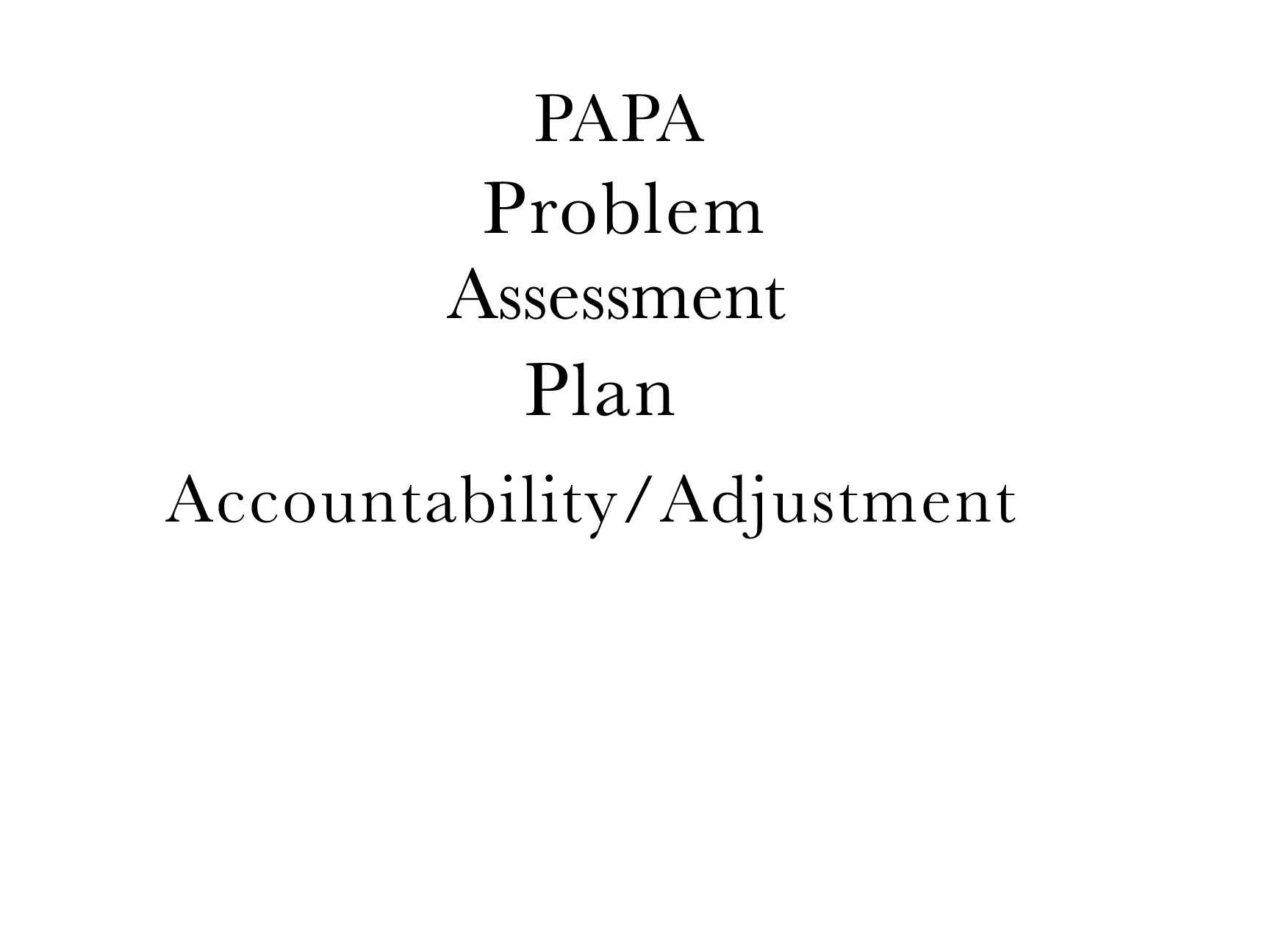
4. Practice Accountability & Adjustment (PAPA): Stay engaged in the PAPA process—Problem, Agreement, Plan, and Accountability/Adjustment—to ensure your treatment evolves as you do.
Recovery is a journey of action. By understanding the factors that influence your unique “star,” you can stop seeing yourself as a failure and start seeing yourself as a person with a solvable, multi-faceted challenge. Action is the ultimate transformer.
